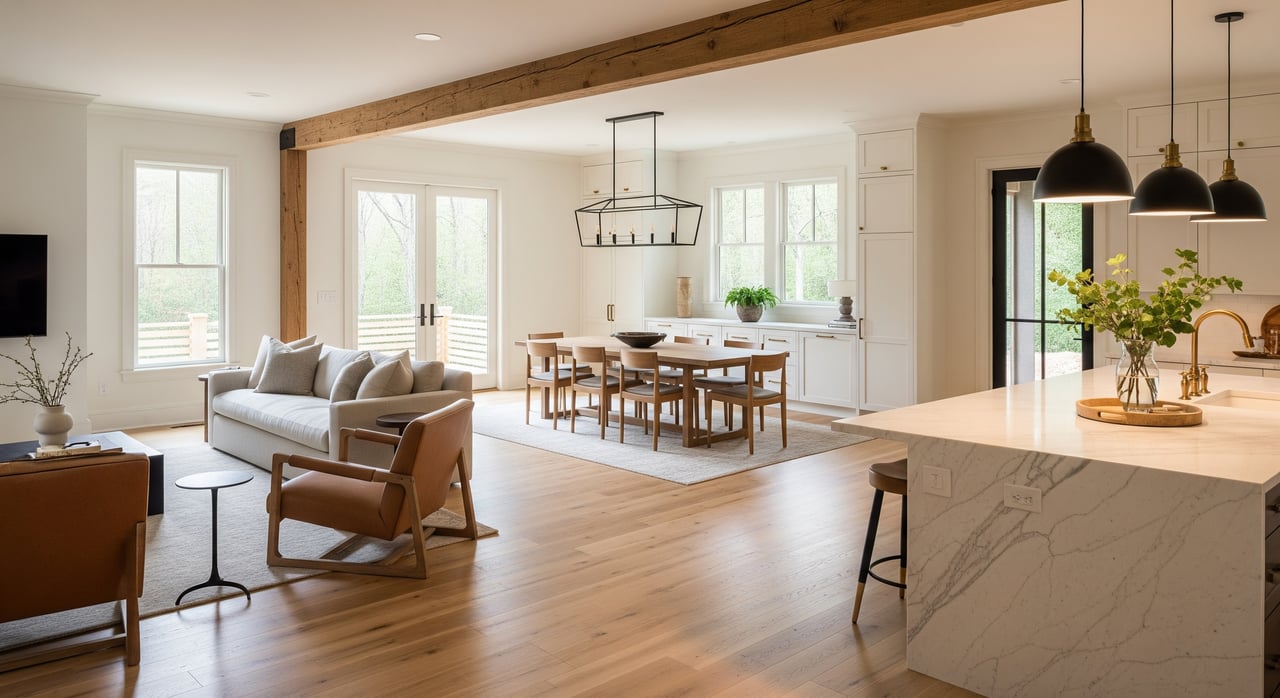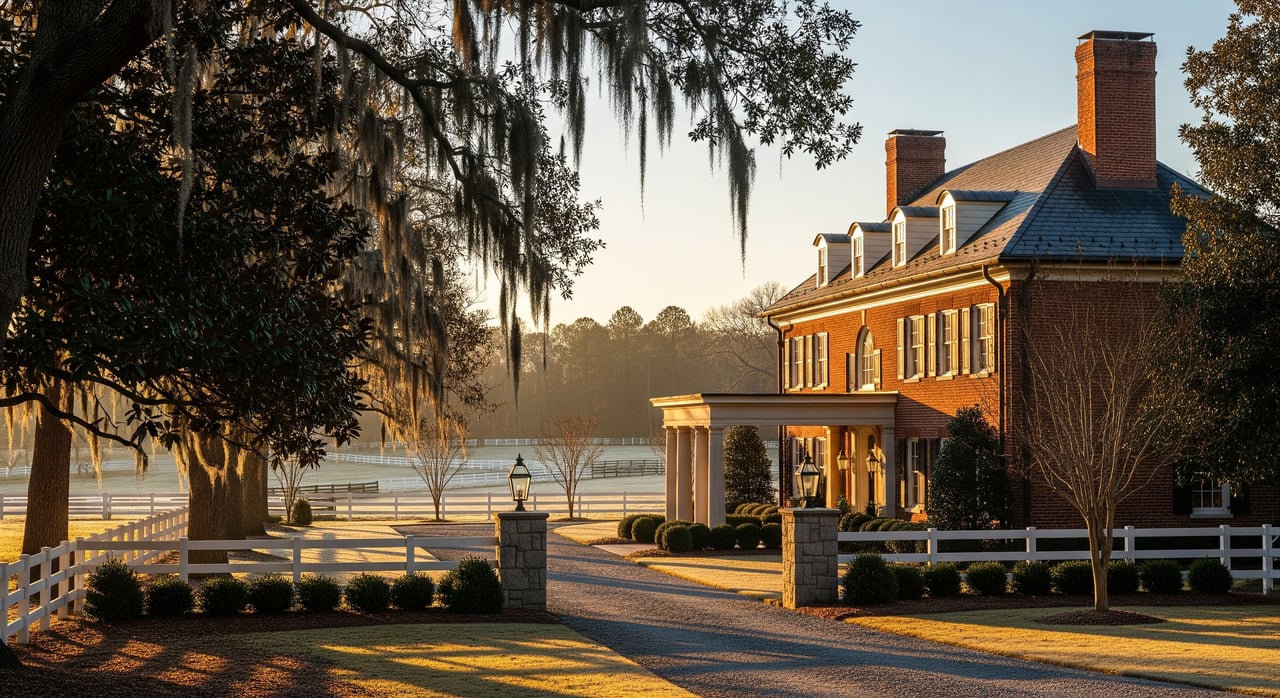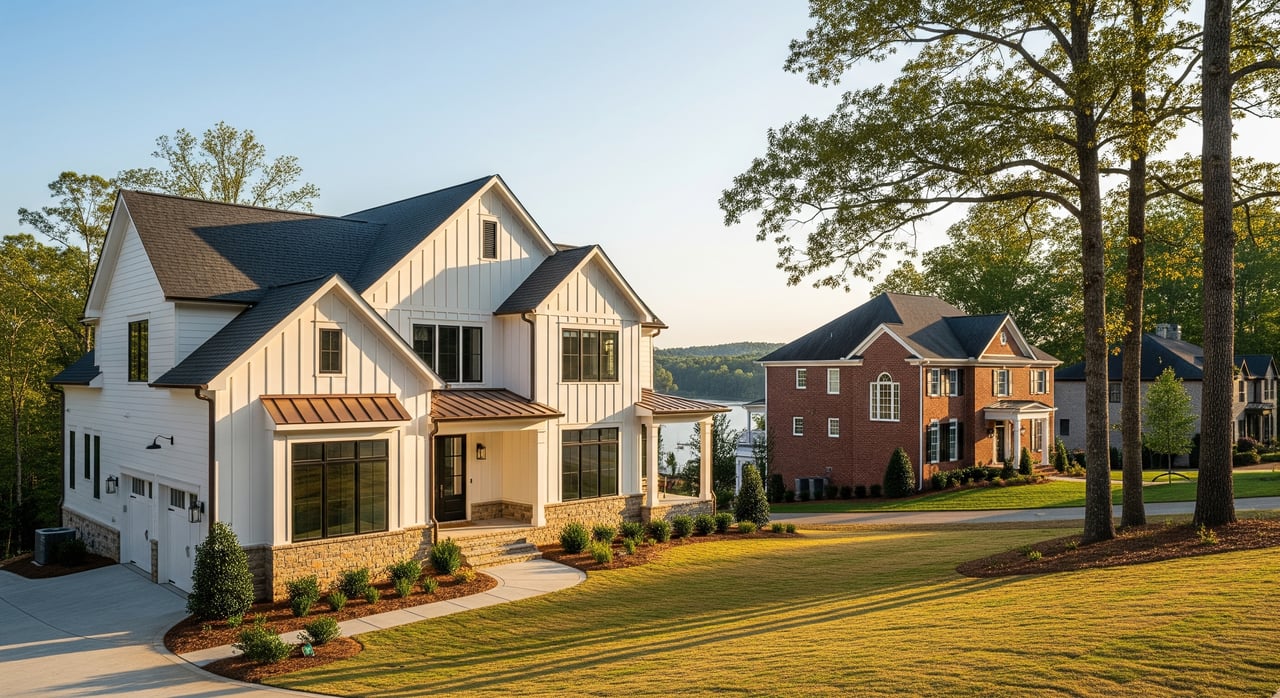
Trying to choose between a brand-new build and a move-in-ready resale in Cumming? It is a big decision with real tradeoffs in timing, cost, and flexibility. You want the right home in the right Forsyth County location without surprises after closing. In this guide, you will learn how new construction and resales compare on timelines, warranties, inspections, HOA rules, lot selection, and negotiation power in the Cumming market. Let’s dive in.
Cumming market basics
Cumming sits in fast-growing Forsyth County, where you will find many master-planned communities, rolling terrain, and easy access to GA-400. Proximity to Lake Lanier, wooded lots, and neighborhood amenities all influence both price and lot desirability. Many buyers also consider Forsyth County Schools attendance zones when comparing specific neighborhoods. Established areas offer mature landscaping and character, while newer communities often advertise swim, tennis, clubhouses, and trails.
Timeline: new build vs resale
New construction timelines
For a traditional new build where you select the plan and lot, expect about 6 to 12 months from contract to closing. Custom builds can run 12 to 18 months or longer. Timing depends on grading and site work, permitting, utility hookups, weather, subcontractor availability, and any change orders you request. Always get a written projected schedule and ask how delays are handled in the contract.
Quick move-in homes
Spec or inventory homes that are already under construction can close faster, often within 2 to 9 months depending on stage of completion. These can be a good fit if you want new materials and warranties without a long build. You may still have time to pick some finishes, but flexibility is limited compared with a ground-up build. Confirm what is included in the price and what changes are still possible.
Resale purchase timelines
Resales can close quickly once you are under contract, often within 30 to 45 days depending on financing and inspection timelines. You will schedule inspections, negotiate any repair credits, and coordinate appraisal and final walk-throughs. If you have a tight move date, resales or quick move-ins offer the most control over closing timing.
Warranties, inspections, and build risk
What builder warranties usually cover
Most builders offer a tiered warranty structure that commonly includes 1-year workmanship and finishes, 2-year systems coverage for mechanical, plumbing, and electrical, and 10-year major structural coverage. Details vary by builder, including what counts as a structural defect and how to file claims. Ask for the warranty handbook and sample contract before you sign and review transferability if you might sell within a few years.
Inspections you should order
- New construction: Schedule independent inspections at key milestones, such as pre-drywall and final. An experienced inspector can spot installation issues that internal builder checks may miss. You will also do a formal punch list and final walk-through prior to closing.
- Resale: A full home inspection is standard, often followed by specialized checks like termite, HVAC, roof, or sewer scope if conditions warrant. Inspection findings are a primary lever for negotiating repairs or credits.
Site-specific risks in Cumming
Forsyth County’s rolling topography and wooded lots create unique considerations. Grading, erosion control, and stormwater management need close attention, especially on sloped sites or near creeks and wetlands. Soil conditions and tree removal can affect foundation design and long-term landscaping. If a property is not on public sewer, septic design and county approval will affect home placement and cost. Get independent inspections even on brand-new homes.
HOA and lot selection essentials
HOA differences: new vs established
In new communities, the developer often controls the HOA until turnover to residents. Rules may be strict early on, amenity fees can change after turnover, and reserve funds may be limited at first. In established neighborhoods, you can review meeting minutes, financials, and past assessments to understand enforcement and reserves. Always review covenants, dues, what is covered, architectural review rules, and any rental restrictions before you commit.
Picking the right lot in Cumming
Topography and orientation matter here. Sloped lots influence whether you can have a walkout basement and affect drainage plans and retaining wall needs. Check floodplain considerations near streams or wetlands and confirm whether public water and sewer are available. Mature trees in resale areas can offer shade and curb appeal, but roots can impact hardscapes and future maintenance. New builds let you choose orientation and sometimes small siting tweaks for privacy and sunlight.
Lot premiums and hidden costs
Premium locations such as cul-de-sacs, corner lots, water views, or end-of-row positions often carry added fees in new communities. Resale prices already reflect location perks like buffers and established landscaping. Ask builders for examples of completed homes on the same lot type so you can budget for realistic grading and retaining needs. Clarify what is included in the base price versus what is an upgrade or allowance.
Cost and negotiation
What drives your total cost
New construction can include builder margins on upgrades and lot premiums, while resales may need updates or maintenance after closing. Builders sometimes quote base pricing with allowances for cabinets, flooring, and appliances that may not match your finish expectations. Property taxes on new homes may adjust after completion when the county reassesses the finished structure. Ongoing HOA dues in amenity-rich communities can be higher than older neighborhoods, and insurance can vary based on location and features.
Negotiating with builders
Your leverage depends on the builder’s inventory and sales pace. In a hot phase, price flexibility can be limited, but concessions often come as closing cost help, rate buydowns, or upgrade packages. Timing can help too. End-of-quarter push, slow phases, or inventory clearance periods may open the door to better incentives. Ask specifically about preferred lender incentives, design center credits, and any lot or elevation discounts.
Negotiating a resale purchase
Resale negotiation usually centers on price, inspection findings, and days on market. If a home has been listed for a while, you may secure price reductions or closing credits. In competitive moments, you may need to emphasize clean terms and flexible closing to win. Your agent will use comparable sales to set an offer strategy that balances value and risk.
Taxes and ongoing costs
In new construction, expect the county to reassess property taxes after the home is complete, which can raise your annual bill from the initial land-only estimate. HOA dues and amenity fees should be verified and budgeted. In all cases, consider long-term costs like landscaping, drainage improvements on sloped lots, and future repairs.
When an agent makes a difference
A local, hands-on agent helps you avoid costly surprises and negotiate the right terms. Here is how expert representation adds measurable value:
- New construction buyers:
- Review builder contracts, warranty terms, timelines, and change order rules.
- Provide comps to benchmark base pricing, upgrades, and lot premiums against nearby resales.
- Negotiate incentives like rate buydowns, closing costs, or design credits and protect your closing timeline with clear clauses.
- Coordinate independent inspections at pre-drywall and final, then help enforce punch list and warranty items.
- Review HOA covenants, budgets, and rules so you know what living in the community will really cost.
- Resale buyers:
- Prepare a comparative market analysis and offer strategy to fit your goals.
- Leverage inspection results to pursue repairs or credits, or to walk away if risks are too high.
- Guide due diligence on disclosures, title, and neighborhood history.
- Sellers competing with new builds:
- Position your home with professional staging, photography, and pricing to highlight strengths like mature landscaping, privacy, and immediate move-in.
- Advise on credits or financing options that mirror builder incentives to attract buyers.
Quick decision guide
- Choose new construction if you want modern layouts, energy-efficient systems, and the ability to pick your finishes and orientation, and you can allow 6 to 12 months for delivery.
- Choose a quick move-in if you need a near-term closing but still prefer new warranties and materials.
- Choose resale if you need to move sooner, value mature landscaping and established neighborhoods, or want more room to negotiate price and repairs.
- In all cases, confirm HOA rules, budget for taxes and dues, and use independent inspections to protect your investment.
Ready to compare specific Cumming neighborhoods, builders, and resale options side by side? Reach out to schedule a focused planning call. You will get a clear timeline, a tailored budget, and a strategy that puts your goals first. Connect with Lee Ann Sherry to get started.
FAQs
How long does a new build take in Cumming?
- Traditional new builds often take 6 to 12 months, while quick move-ins can close in 2 to 9 months depending on completion and permitting.
Do new homes come with warranties in Forsyth County?
- Most builders provide 1-year workmanship, 2-year systems, and 10-year structural coverage, but you should confirm exact terms and claim procedures in writing.
Should I get inspections on a brand-new home?
- Yes, schedule independent pre-drywall and final inspections, and use the punch list process to address workmanship and installation issues before closing.
How do HOA costs differ for new vs established communities?
- New communities may have strict covenants and evolving fees before HOA turnover, while established HOAs offer records you can review for reserves, dues, and enforcement.
What are lot premiums and hidden site costs in Cumming?
- Premium locations like cul-de-sacs or water views can add fees, and sloped or wooded lots may require additional grading, drainage, or retaining walls.
Can I negotiate with a builder in today’s market?
- Yes, leverage typically shows up as closing cost help, rate buydowns, or upgrade credits, with the best opportunities during slower sales phases or inventory pushes.
Will my property taxes change after buying a new home?
- New construction is often reassessed after completion, which can raise taxes from the initial land-only estimate, so plan for that in your budget.